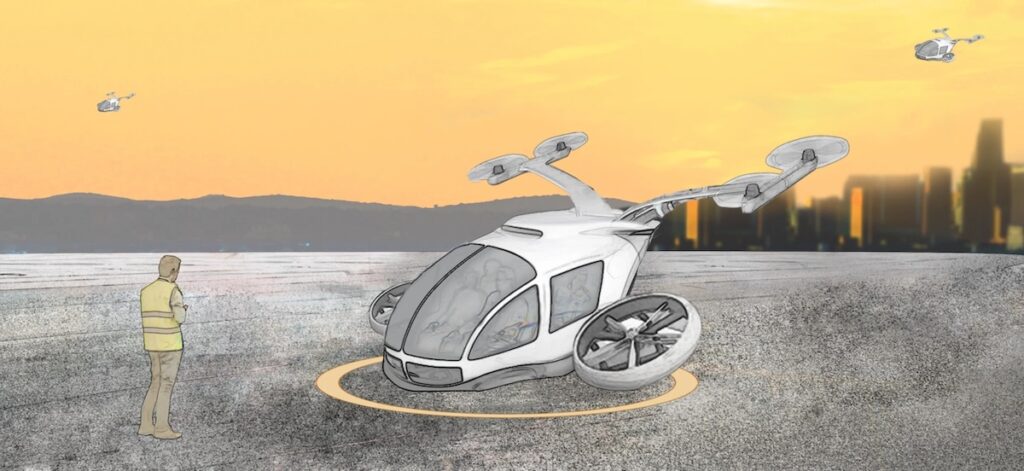
Embention discusses the regulatory frameworks, certification requirements and system design considerations shaping the development and approval of electric Vertical Take-Off and Landing (eVTOL) aircraft within Advanced Air Mobility (AAM). Read more >>
As eVTOL designs combine distributed electric propulsion, digital flight control, and high levels of automation, certification processes must address architectures that extend beyond the scope of conventional aircraft rules. Regulatory authorities are adapting established airworthiness frameworks such as CS-23, CS-27 and Part 23 to accommodate new aircraft architectures, while manufacturers must demonstrate compliance with established development and safety standards including DO-178C, DO-254 and ARP4754A.
The certification environment differs across regions. In the United States, the Federal Aviation Administration (FAA) is applying existing aircraft regulations together with additional conditions while advancing the MOSAIC initiative to modernize certification pathways for new aircraft categories. In Europe, the European Union Aviation Safety Agency (EASA) introduced the Special Condition VTOL (SC-VTOL) framework, which defines Basic and Enhanced categories based on operational use and exposure to populated areas. The framework is supported by detailed Means of Compliance (MoC) covering system redundancy, software assurance, complex hardware, environmental qualification and safety assessment methodologies.
Meeting these requirements presents several technical challenges, particularly in areas such as electric energy systems, system redundancy and autonomous control architectures. Aircraft systems must demonstrate tolerance to failures while maintaining continued safe flight and landing capability.
Embention highlights the importance of designing avionics and propulsion control systems with certification objectives considered from the earliest stages. The company’s Veronte product line is structured around compliance with aviation development standards including DO-178C, DO-254 and DO-160. The Veronte Autopilot incorporates features such as triple-redundant processing, cross-monitoring channels and independent power domains to support safety-focused aircraft architectures.
Certification progress also influences the commercial development of the eVTOL sector. Milestones in regulatory approval affect investment, operational planning and public confidence. They also enable flight testing and early operational services under controlled regulatory frameworks.
Over the coming years, early deployments of certified aircraft are expected to inform future regulatory refinements and infrastructure development. Continued coordination among aviation authorities will be important to establish internationally aligned safety principles, helping reduce duplication in certification processes and supporting the broader integration of Advanced Air Mobility systems.
To find out more information, read the whitepaper ‘Road to eVTOL Certification: Regulatory Challenges of Advanced Air Mobility’ here >>