

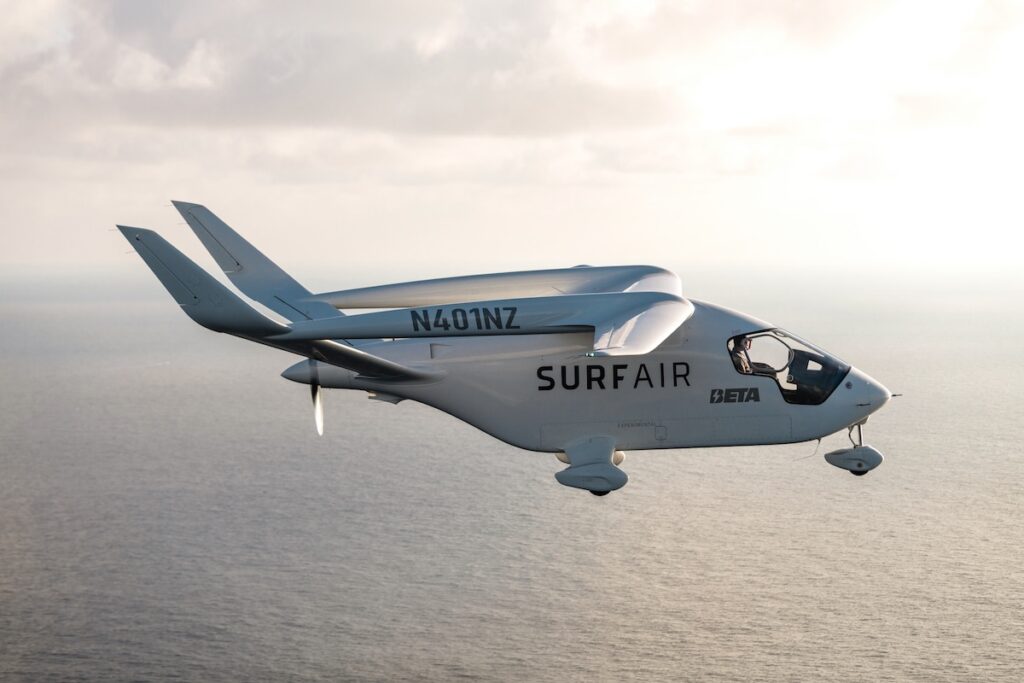
Surf Air Mobility Inc. and BETA Technologies have launched an electric aircraft demonstration program in Hawaiʻi to evaluate the requirements for future regional air service, with support from Hawaiian Airlines.
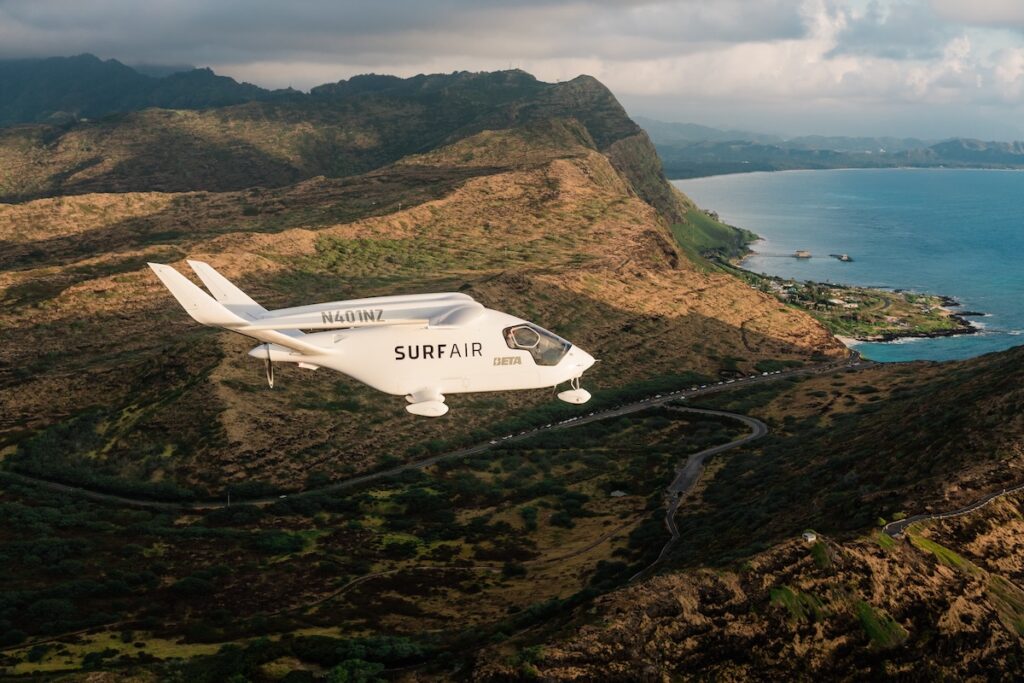
The six to eight-week flight campaign utilizes BETA’s ALIA CTOL electric aircraft to conduct demonstration flights across the state. This environment is highly suited for commercial-scale evaluation due to Hawaiʻi’s short route structure and established demand for regional air transportation. The program integrates BETA’s electric aircraft technology with Surf Air Mobility’s regional airline expertise via its subsidiary, Mokulele Airlines, along with existing airport ground infrastructure and SurfOS software. Hawaiian Airlines, part of Alaska Air Group, is assisting the initiative by sharing insights on passenger and cargo routes, participating in feasibility assessments, and supporting local stakeholder and community engagement.
The demonstration aims to generate data to answer critical deployment questions regarding aircraft performance across local weather conditions and operating environments. Additionally, the program will analyze direct operating costs, economic factors, and maintenance and servicing needs for commercial service. Technical teams will also evaluate battery performance, energy consumption, and operating costs across representative interisland missions, alongside network needs such as crew training, ground handling procedures, safety protocols, and charging infrastructure.
Kyle Clark, Chief Executive Officer and Founder of BETA Technologies, said, “Connecting the Hawaiian islands with low cost cargo and passenger service is a great application for electric advanced air mobility. These early demonstrations will showcase the utility and economics of the BETA ALIA aircraft firsthand to Surf Air and inform future high cadence, sustainable intraisland service.”
Diana Birkett Rakow, Chief Executive Officer of Hawaiian Airlines, commented, “Hawaiian Airlines has a deep and sustained responsibility not only to provide critical air service to, from and within the islands and to carry the spirit of Hawai‘i with us on the journey, we are also driven – with Alaska Airlines – to cultivate innovation and support the technologies that will enable a strong and resilient future for aviation. This program provides an opportunity to better understand how BETA’s electrified aircraft can support safe and reliable cargo and passenger air service for short-haul service while improving the environmental impact of that flying.”
Deanna White, Chief Executive Officer of Surf Air Mobility, added, “The aviation industry has talked about electric flight for years. The question is no longer whether electric aircraft can fly, but rather how they can now be successfully integrated into commercial service. The data generated through this program will help define the operational, economic, and infrastructure requirements needed to advance the next generation of regional air transportation.”
Following FAA certification, Surf Air Mobility intends to deploy BETA aircraft across its Mokulele Airlines network, which currently operates the largest commuter airline network in Hawaiʻi by airports served and departures. To support long-term operations and scale the technical infrastructure, Surf Air Mobility is also preparing to establish a Maintenance, Repair, and Overhaul (MRO) facility in the state, which is expected to serve as the factory-authorized service center for BETA aircraft once certified.