
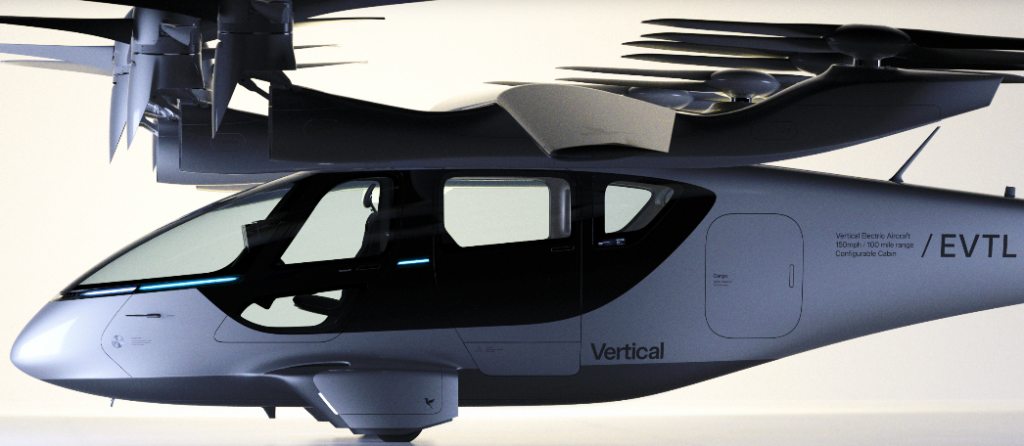
Vertical Aerospace has reached a milestone in its certification journey with the activation of an automated battery pilot production line at the Vertical Energy Centre.
The 15,000-square-foot facility, which has been operational since 2023, previously produced the battery systems used during piloted flight testing. The recent upgrade introduces automated, aerospace-grade manufacturing processes designed to enhance efficiency and consistency. These proprietary battery packs have already demonstrated performance peaks of 1.4 MW during flight tests and will now be produced at scale for the seven Valo certification aircraft required for UK Civil Aviation Authority and European Union Aviation Safety Agency programs.
Stuart Simpson, CEO of Vertical Aerospace, said, “Bringing our automated battery production line online is a defining step in our journey toward certification and commercialisation. We are not only developing a world-class aircraft – we are building the industrial capability required to produce it. Vertical’s phased approach aligns manufacturing capability with its certification roadmap and early commercialisation strategy. By investing early in aerospace-grade battery manufacturing, we are reducing integration risk, strengthening supply chain control and preparing for commercial service.”
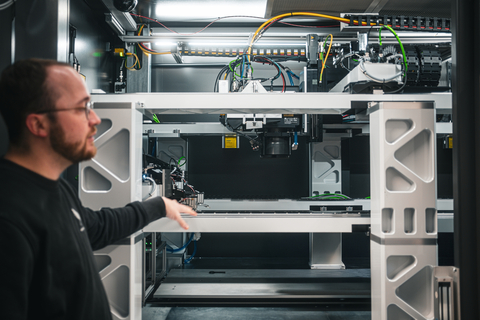
While the company collaborates with tier-one suppliers such as Honeywell, Aciturri, and Syensqo for various aircraft components, the battery system remains a core in-house technology. Vertical expects these systems to be a primary value driver, anticipating a need for approximately 20 battery packs per aircraft over its operational life. By 2035, the company projects it will have supplied roughly 45,000 battery packs across its fleet, creating a recurring revenue model beyond initial aircraft sales.
The current production capacity is set to triple following the opening of the Vertical Energy Centre 2 later this year. This new 30,000-square-foot powertrain hub represents a significant portion of the £6.4 million ($8.5 million) total investment planned for the energy facilities through 2027. This expansion supports the company’s target for commercial service entry in 2028.
Currently employing 450 people in the South West of England, the company is evaluating locations in the UK and abroad for its full-rate production facilities. A final decision on the location for the manufacturing ramp-up is expected by the end of the year. Projections indicate that the manufacturing ecosystem could support at least 2,220 highly skilled jobs by 2035 as the company scales to meet global demand for electric aviation.