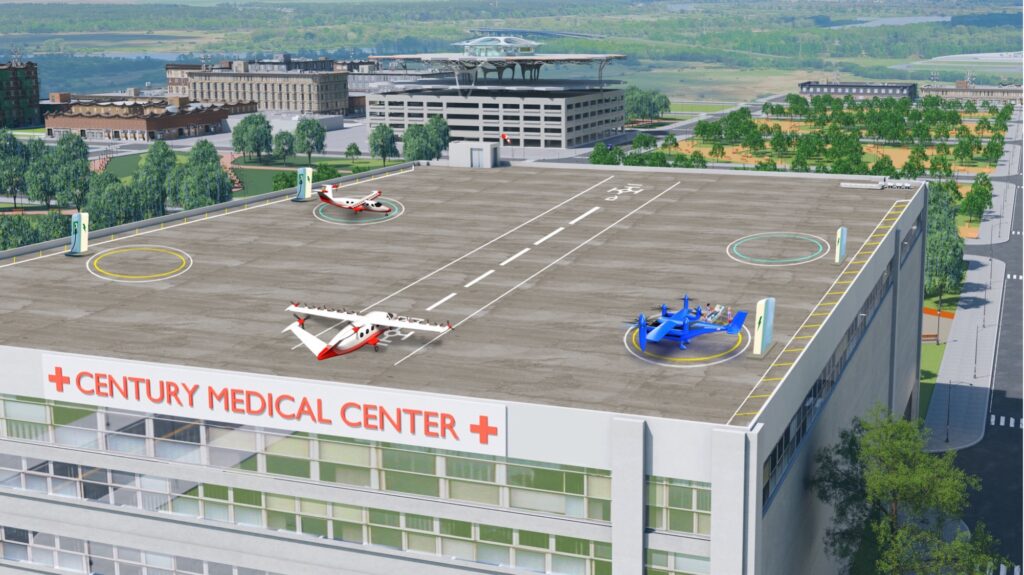
NASA researchers have completed a comprehensive study to determine how geographic location and existing environmental noise influence human reactions to the sounds of future air taxis.
As the agency works to integrate new air transportation options for passengers and cargo into U.S. communities, understanding public perception of aircraft noise has become a primary focus. The Varied Advanced Air Mobility Noise and Geographic Area Response Difference (VANGARD) test, conducted from late August through September 2025, involved 359 participants from the Los Angeles, New York City, and Dallas-Fort Worth areas. The study specifically investigated whether residents in loud urban centers respond differently to these unfamiliar sounds compared to those living in quieter suburban settings.
During the evaluation, participants listened to 67 unique simulated aircraft sounds, including NASA-owned industry concept designs. To maintain the integrity of the data, the research team did not disclose manufacturer names or provide images of the aircraft being heard. Participants, most of whom used their own audio devices at home, rated their annoyance levels for individual flyover sounds. A control group of 20 people also performed the test in-person at NASA’s Langley Research Center in Virginia using standardized audio settings, yielding results consistent with the remote participants.
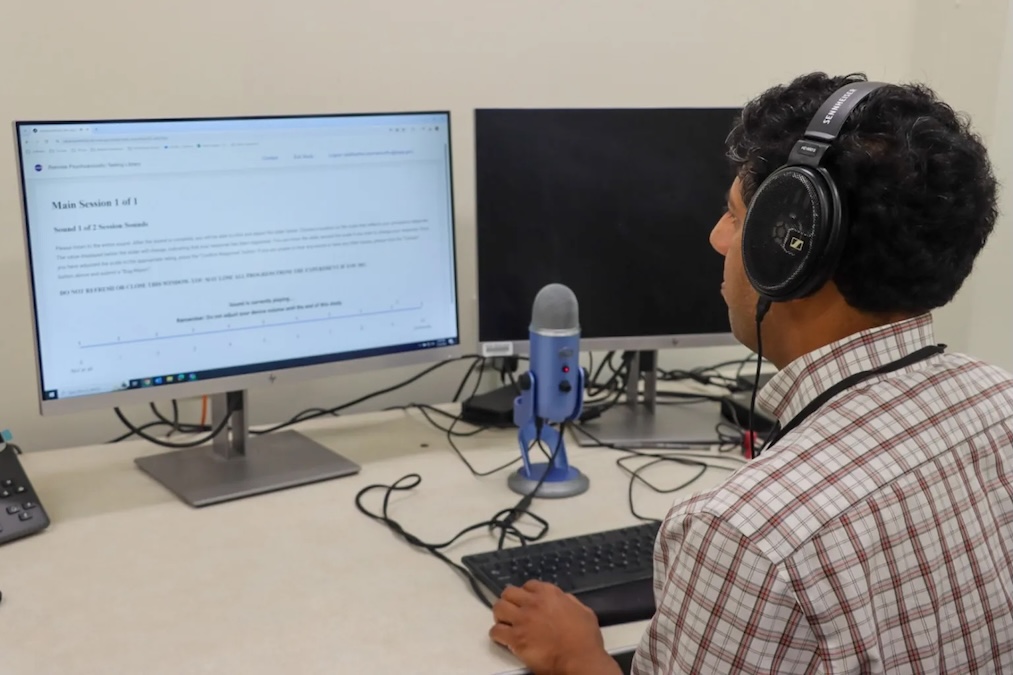
Initial findings indicate that residents currently living in high-noise environments reported higher levels of annoyance from the air taxi sounds than those in quieter areas. Researchers currently hypothesize that individuals in loud environments may have a heightened sensitivity to additional noise sources.
Sidd Krishnamurthy, Lead Researcher at NASA’s Langley Research Center in Hampton, Virginia, stated, “With air taxis coming soon, we need to understand how people will react to a variety of future aircraft sounds. This test filled a critical gap, and its results will improve how we predict human reactions to noise, guiding the design and operation of future aircraft.”
While the study did not explore whether high background noise might mask the sound of an air taxi, it provided the VANGARD team with essential data on how background noise history affects perception. “We wanted to know if people in low or high background noise zones would be more annoyed by the air taxi sounds, and to what extent, even without their usual background sounds present during the test.” Krishnamurthy said.
The data gathered through this effort, which falls under the Revolutionary Vertical Lift Technology project, will eventually assist designers and regulators in determining flight paths and operational standards for advanced air mobility. By understanding these human factors, NASA aims to ensure that the next generation of vertical lift aircraft can be effectively integrated into the national airspace without causing undue disruption to the public.